Anaheim DucksBoston BruinsBuffalo SabresCalgary FlamesCarolina HurricanesChicago BlackhawksColorado AvalancheColumbus Blue JacketsDallas StarsDetroit Red WingsEdmonton OilersFlorida PanthersLos Angeles KingsMinnesota WildMontréal CanadiensNashville PredatorsNew Jersey DevilsNew York IslandersNew York RangersOttawa SenatorsPhiladelphia FlyersPittsburgh PenguinsSt Louis BluesSan Jose SharksSeattle KrakenTampa Bay LightningToronto Maple LeafsUtah Hockey ClubVancouver CanucksVegas Golden KnightsWashington CapitalsWinnipeg Jets

NHL: Victor Nuño – DYNASTY STOCK WATCH – Seattle Kraken Edition

PHILADELPHIA , PA - OCTOBER 20: Seattle Kraken center Berkly Catton (77) is shown during the game between the Seattle Kraken and the Philadelphia Flyers on October 20th, 2025 at the Xfinity Mobile Center in Philadelphia, PA. (Photo by Terence Lewis/Icon Sportswire)

McKeen’s Hockey: Dynasty Stock Watch

Seattle Kraken Edition

After a surprising playoff run in 2023 followed by a step back in 2024–25, the Seattle Kraken remain a team in transition. They have established a competitive identity built on depth, structure, and two-way responsibility, but they still lack high-end offensive difference-makers. The addition of Berkly Catton and the continued development of prospects like Shane Wright are critical to unlocking the next phase of the franchise: a team that can generate consistent offense and drive play through skill, not just balance.

The Kraken have also begun to cycle out some early expansion pieces and are entering a phase where their draft picks will shape the roster more than free agency or veteran fillers. For dynasty managers, this is the time to monitor which young players are rising into core roles and which ones may be getting squeezed out. Seattle has opportunities available in the top six and on the power play, and prospects who seize those spots could see their fantasy value spike quickly. Conversely, some well-known names may not have as clear a path to long-term impact as the public perception suggests.

Buy Candidates

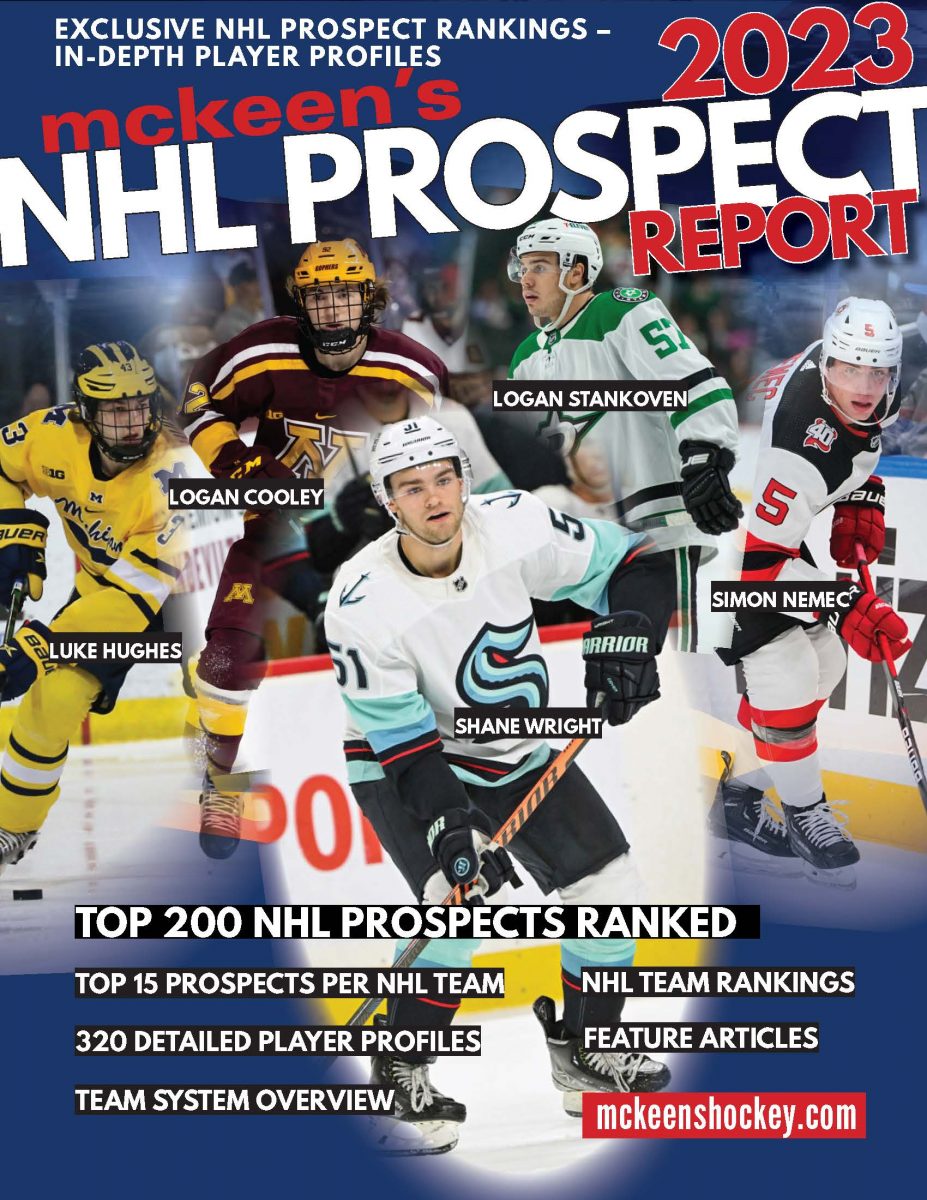
Shane Wright (C, 21)

Why Buy?
Wright’s development curve has been slower than some expected, but that has created an excellent buying window in dynasty formats. His hockey sense, defensive reliability, and faceoff ability have already translated to the NHL level, and his offensive game has begun to round into form. Wright has shown that he can drive play, protect the puck, and create offense in tight areas. His shooting volume has improved, and he has started to attack the middle of the ice more consistently, which signals growing confidence.

His Evolving Hockey player card highlights a clear trend, showing that early in his career his defensive play lagged behind expectations, but it has since improved dramatically, allowing him to play with more confidence and structure. Now that the defensive foundation is in place, his offensive potential could flourish over his next hundred NHL games. Seattle does not have a locked-in second-line center behind Matty Beniers, and Wright is the most logical candidate to fill that role. His power-play role should increase, and his ceiling remains that of a top six, power-play contributor. If his offensive breakout comes as expected, you will want to be holding shares when it happens.

Berkly Catton (C, 19)

Why Buy?
Catton was one of the most dynamic players in his draft class, combining elite processing speed with creativity and relentless pace. His ability to read off linemates, find seams, and manipulate defenders makes him a natural play-driver. His Hockey Prospecting model still shows elite potential, and while Leon Draisaitl may be an overly optimistic comparable, his list of comparables is still impressive. Even if he never reaches superstar status, getting close would be a huge fantasy win.

Despite being a January birth date, Seattle chose to keep Catton in the NHL rather than send him back to the WHL. While he has a handful of points, the Kraken generate fewer expected goals and are weaker defensively when he is on the ice per HockeyViz.com. That is not unusual for a rookie adjusting to NHL pace, and Seattle may still manage his minutes carefully, similar to Wright's path. This presents a clear buying opportunity for dynasty managers. His elite skillset is intact, and if you can use this rocky start as trade leverage, you could land a long-term offensive gem at a temporary discount.

Jani Nyman (RW, 21)

Why Buy?
Jani Nyman continues to fly under the radar despite quietly carving out a productive and physical role in the NHL. His blend of size, balance, and scoring touch makes him a natural fit for Seattle’s long-term plans, and he has already shown the ability to finish from multiple areas of the ice. His shot is heavy and accurate, and he has demonstrated the confidence to use it at five-on-five. While his power-play time has fluctuated, he remains one of the few players on the roster with true goal-scoring instincts.

The cost of acquisition in dynasty leagues is still surprisingly low, which makes this the time to invest. The Kraken need reliable scorers, and Nyman’s style fits that gap perfectly. He could eventually develop chemistry with Catton, creating a playmaker-finisher duo that complements Seattle’s structure. Even if the offensive ceiling takes time to reach, his physicality already brings value, with more than a hit per game and consistently strong peripherals as shown in his Fantasy Hockey Life skater card. With a realistic projection as a 25 to 30 goal scorer who also contributes across categories, Nyman is the kind of underappreciated asset you want to acquire before everyone else catches on.

Sell Candidates

Ty Nelson (D, 21)

Why Sell?
Nelson remains a fan favorite thanks to his energetic playing style and strong offensive numbers from junior, but his AHL results suggest that his scoring may not fully translate to the professional level. He still activates frequently and has a heavy shot from the point, yet his transition game and play-driving have been inconsistent against stronger competition. With players like Vince Dunn and Ryker Evans already ahead of him on Seattle’s depth chart for offensive opportunities, Nelson’s path to a meaningful role looks limited.

His Fantasy Hockey Life skater card highlights real concerns about his transition play and overall ability to drive possession. He does remain a steady contributor for peripherals, though that also decreased in his transition from the OHL to AHL. His junior production and name recognition could net a solid return before managers catch on that his upside may be capped. Nelson should reach the NHL, but more likely as a depth or complementary defenseman than a reliable fantasy asset.

Jake O’Brien (C, 18)

Why Sell?
O’Brien is an excellent prospect whose fantasy profile may never quite match his on-ice value. His strong motor, high IQ, and dependable two-way play should make him a long-term NHLer, but his game lacks the volume and peripherals that translate to fantasy success. He is a pass-first (second and third) center who thrives on facilitating play. Unless he develops into a true 50-plus assist player, his fantasy ceiling will be limited.

One of his Hockey Prospecting comparables is Mathew Barzal, which feels fitting, as both are talented, creative players who can frustrate fantasy managers because if they are not scoring, they do not offer much else. O’Brien does not provide hits, shots, or defensive stats that pad fantasy categories, and his offensive contributions may come inconsistently early on. That combination makes him a sell candidate while his “recent first-round pick” label still holds weight. His fantasy stock may never be higher than right now.

Blake Fiddler (D, 18)

Why Sell?
Blake Fiddler brings size, strength, and a physical edge that NHL coaches love. He defends well, uses his long reach effectively, and shows composure under pressure in his own zone. He projects as a steady, defense-first blueliner with penalty-killing and matchup potential. The problem for fantasy managers is that his offensive game is limited. He does not create many primary scoring chances, and his transitional impact is fairly average.

Fiddler’s bloodlines are strong, as he is the son of former NHLer Vernon Fiddler, and his skating ability gives him a chance to carve out a long professional career. His pNHLe sits just above 60, but defenders typically get a small statistical boost from the model, and peripheral contributions in blocks, shots, and hits are just average, which might make him a tough fantasy hold. He will likely be better in real life than in fantasy. If other managers in your league are drawn to his pedigree or draft position, now is a good time to move him before his limited fantasy upside becomes more obvious.


Summary

Player Role Key Insight
Shane Wright Buy Two-way center trending upward with top six and PP opportunity
Berkly Catton Buy Elite processor with star upside and growing NHL readiness
Jani Nyman Buy Power winger with scoring touch and a clear path to the top six
Ty Nelson Sell Offensive numbers inflated by junior play, blocked in Seattle
Jake O’Brien Sell Safe middle-six projection, limited fantasy ceiling
Blake Fiddler Sell Defensive defenseman with minimal offensive upside