


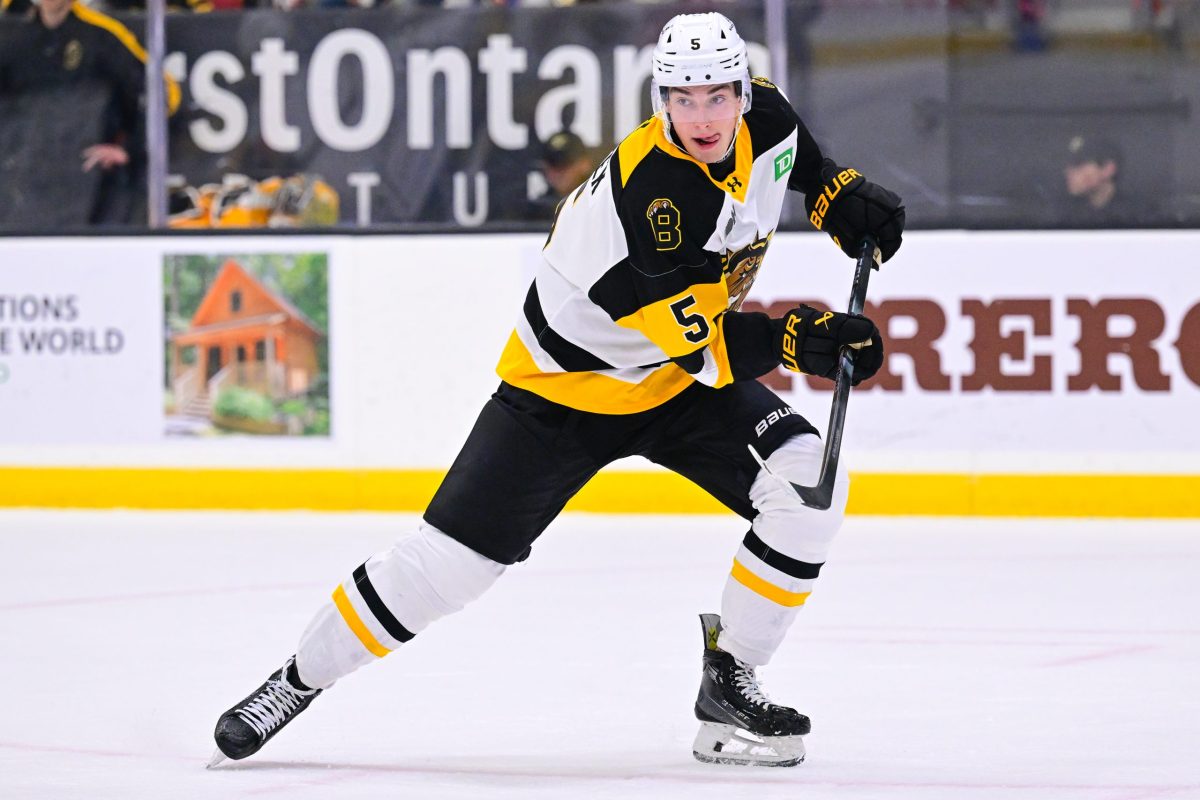
When I look at Adam Jiříček over the last two seasons, I do not see two different players. I see one young defenseman who had to go through a tough year to understand what it takes to drive games in North America. Last season exposed holes. This season shows what happens when those holes get addressed properly.
Jiříček came into major junior hockey with real pedigree. A first round pick of the St. Louis Blues in the 2024 NHL Draft, selected 16th overall, he carried expectations both from back home in Czechia and from NHL circles. He had already shown in Europe that he could handle pro pace and physical play. The projection was clear. Big right shot defenseman with mobility, offensive upside and bite in his game.
Last season did not unfold the way many expected. Injuries played a role, including knee issues that slowed his momentum. Over 36 games (regular season and playoffs) he put up five goals and nine assists for 14 points. For a player with power play potential and top four NHL upside, that output was underwhelming. More important than the raw numbers was how he looked shift to shift.
He hesitated at times. His reads were a step late in transition. When pressured on the breakout, he defaulted to safe plays rather than attacking seams. In the defensive zone he relied on size instead of timing. None of it was alarming long term, but it was clear he was adjusting to the smaller ice and faster forecheck.
For me, the biggest issue last season was pace management. In Europe, he could control tempo with more space. In the OHL, he had less time and less room. When he slowed the game down too much, he got closed on quickly. That led to rushed outlets and lost possession. Confidence followed performance downward.
This season is a different evaluation.
Through 67 games, he has 26 goals and 53 assists for 73 points. That jump from 14 points to 73 is not just a hot streak. It reflects a defenseman who now understands how to impose himself. He is not waiting for plays to develop. He is initiating them.
The first thing that stands out is his puck retrieval. Last year he would arrive, stop, then decide. Now he shoulder checks early, identifies pressure, and moves the puck in one motion. His first pass is firmer and more direct. He is hitting the middle more often instead of defaulting to the wall. That alone has improved his transition value significantly.
Offensively, he is more assertive walking the blue line. He changes shooting angles, drags pucks around shot blockers and gets pucks through traffic. The 26 goals are not luck. Several come from clean point shots with traffic, which translates to the pro game. He is not just collecting secondary assists. He is driving possessions that end in scoring chances.
On the power play, he looks comfortable running the top. He distributes with purpose and does not dust the puck off. When lanes open, he shoots. When they close, he shifts laterally and resets. That decision making is quicker and more confident compared to last season.
Defensively, I see growth that matters even more than the points. His gap control has tightened. He is stepping up earlier in the neutral zone and killing plays before they cross his blue line. Last year, he backed in too much and allowed entries with control. This year he trusts his feet and length.
His skating has always been a strength for a player his size, but now he uses it more efficiently. He pivots cleaner and recovers inside positioning faster when plays break down. In board battles, he is not just leaning on opponents. He establishes body position early and separates man from puck with better timing.
For me, the development of a young defenseman is about learning when to push and when to manage risk. Jiříček is starting to find that balance. Last season, he either forced offense or played too conservatively. Now he reads the moment. If the weak side winger is high, he jumps. If the structure is loose, he stays home.
The mental side is noticeable as well. After mistakes, he resets quickly. There is less visible frustration. He demands the puck even after turnovers. That tells me his confidence is based on preparation and repetition, not emotion.
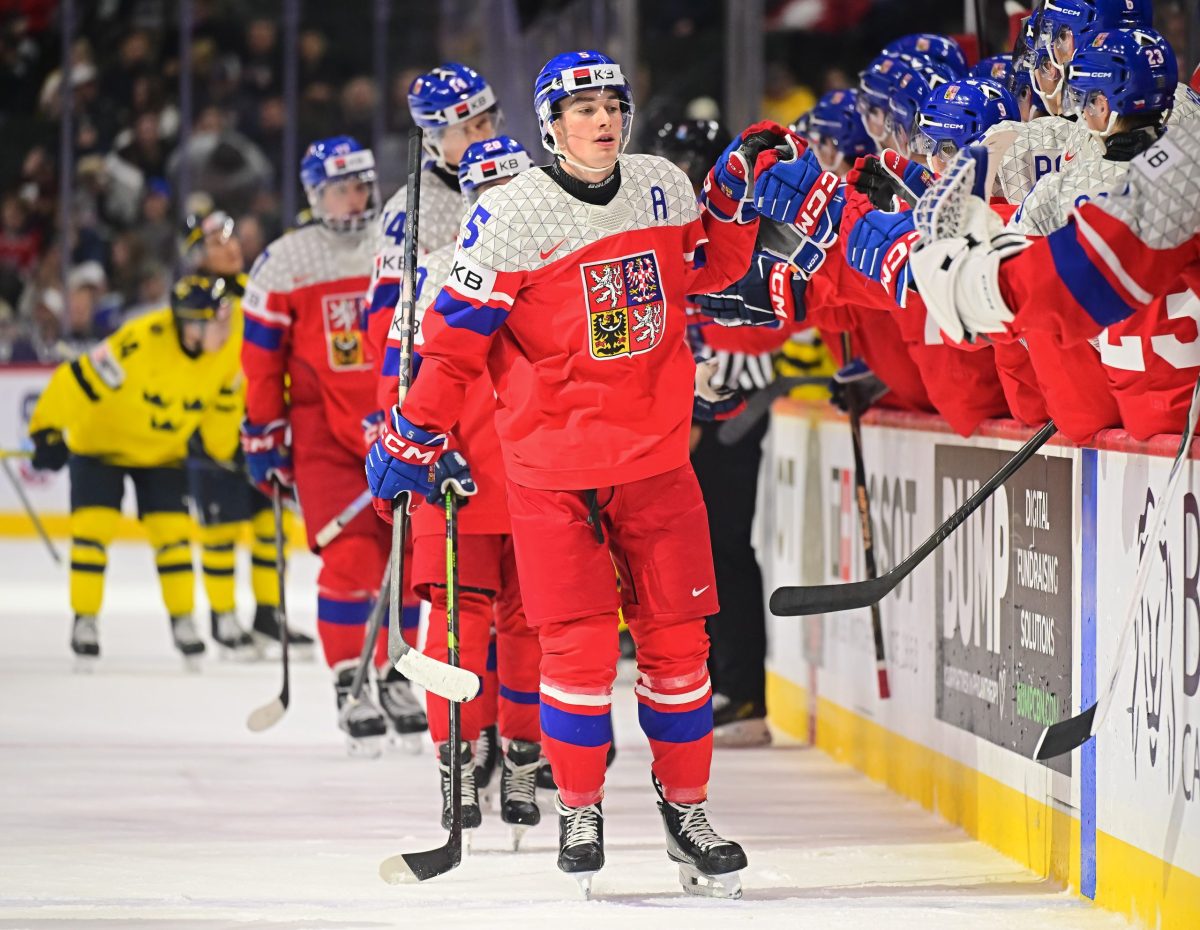
Physically, he looks stronger through contact. His core strength shows up when he absorbs forecheck pressure and still makes plays. Over the course of a long junior season that matters. He is logging big minutes and his level does not dip late in games.
When I project him forward, I see a defenseman who can play in different situations. He can quarterback a second power play unit. He can kill penalties because of his reach and skating. He can match against skilled lines due to improved gap control. That versatility increases his value at the next level.
The jump in points also tells me he processed last season properly. Some young players blame circumstances. Others adjust. He adjusted. The areas that needed cleaning up are cleaner. The hesitation is largely gone. There is still work to do. At times he can overhandle at the offensive blue line when a simple shot would suffice. Against heavier forechecking teams, he will need to continue quickening his first touch. But those are refinements, not red flags.
What I appreciate most this season is that he is influencing games consistently. Not in a flashy way every night, but through steady puck movement, controlled exits and smart activation. That is what translates to pro hockey.
He is a big right shot defenseman who skates well, moves pucks efficiently and now produces at a high rate in junior. Add in improved defensive detail and you have a prospect trending the right way. The statistical jump supports the eye test, but for me, the tape is even more convincing.
Last season forced him to confront the speed and physical demands of the North American game. This season shows he has adapted. He looks more comfortable dictating pace instead of reacting to it. That is a key step in the development curve of any young defenseman with NHL aspirations.
If he continues on this path, he projects as a reliable two way defender who can handle meaningful minutes. The foundation is stronger than it was a year ago. The mistakes are fewer. The impact is greater.
From my perspective, this is not just a rebound season. It is a correction in trajectory. And for a 16th overall pick expected to become an NHL regular, that correction matters.